
When connective tissue doesn't hold
things together
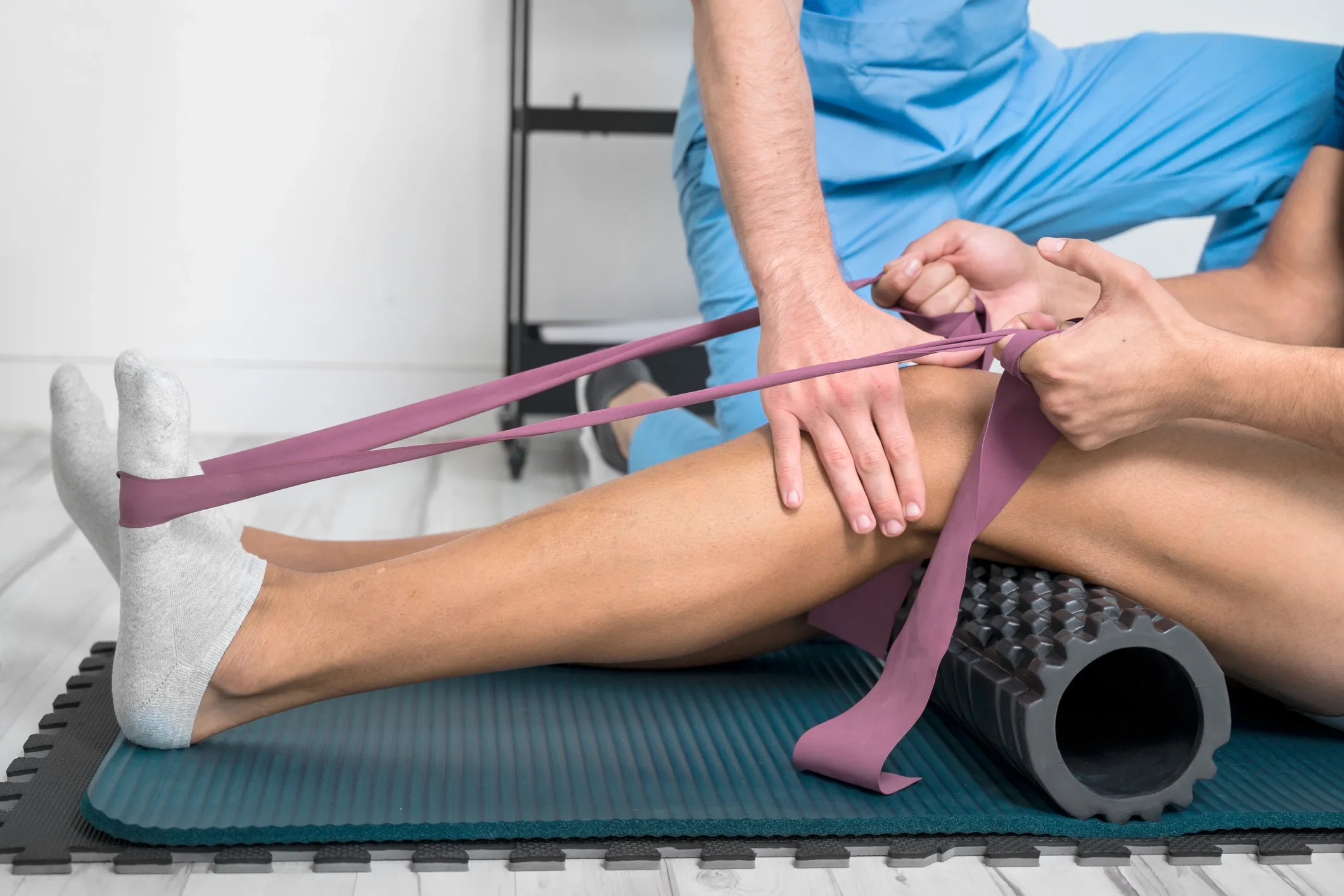
Ehlers-Danlos Syndrome (EDS) is a group of inherited connective tissue disorders caused by defects in collagen — the protein that provides structure and strength to skin, joints, blood vessels, and organs. Because collagen is found throughout the body, EDS can affect virtually every system, leading to a wide and often bewildering range of symptoms.
There are 13 recognized subtypes of EDS, the most common being Hypermobile EDS (hEDS). Unlike other subtypes, hEDS does not yet have a confirmed genetic marker, making diagnosis clinical. EDS frequently co-occurs with POTS and MCAS — a triad sometimes called the "trifecta" — and is often missed for years because hypermobility is sometimes seen as a positive trait rather than a symptom.
Common Symptoms
Joint hypermobility and frequent dislocations or subluxations
Chronic widespread pain
Soft, stretchy, or fragile skin
Easy bruising and slow wound healing
Fatigue and post-exertional malaise
Gastrointestinal dysfunction
Autonomic dysfunction (often co-occurring with POTS)
Headaches, including craniocervical instability
Frequently Asked Questions
How is EDS diagnosed?
Most EDS subtypes are diagnosed through genetic testing. Hypermobile EDS (hEDS) is diagnosed clinically using the 2017 diagnostic criteria, which assess joint hypermobility (Beighton score), systemic features, and family history. A thorough physical examination by a knowledgeable provider is essential.
Can EDS be treated?
There is no cure for EDS, but symptoms can be managed effectively. Treatment typically includes physical therapy focused on joint stabilization, pain management, activity modification, and addressing co-occurring conditions like POTS and MCAS.
Is EDS the same as being "double-jointed"?
Joint hypermobility is a feature of EDS, but EDS is far more than being flexible. It involves systemic collagen dysfunction that can cause chronic pain, instability, fatigue, and multi-system complications. Many people with EDS were told for years that their flexibility was a gift — only to later understand it was a symptom.
The Bigger Picture
These conditions rarely travel alone
POTS, EDS, and MCAS frequently co-occur — so much so that they're sometimes called the "trifecta." Research suggests that connective tissue abnormalities in EDS may contribute to autonomic dysfunction (POTS), and mast cell instability (MCAS) may be driven in part by the same underlying collagen defects.
Understanding how these conditions interact is essential to effective treatment. Treating one in isolation, without recognizing the others, often leads to incomplete relief. At POTS Wellness Center, we evaluate the full picture — because that's what it takes to actually help.
Understanding how these conditions interact is essential to effective treatment. Treating one in isolation, without recognizing the others, often leads to incomplete relief. At POTS Wellness Center, we evaluate the full picture — because that's what it takes to actually help.
Think this sounds like you?
You don't need a confirmed diagnosis to reach out. If these conditions resonate with your experience, we'd love to talk.